


Vibration Sensors: Enabling Accurate Monitoring and Predictive Maintenance
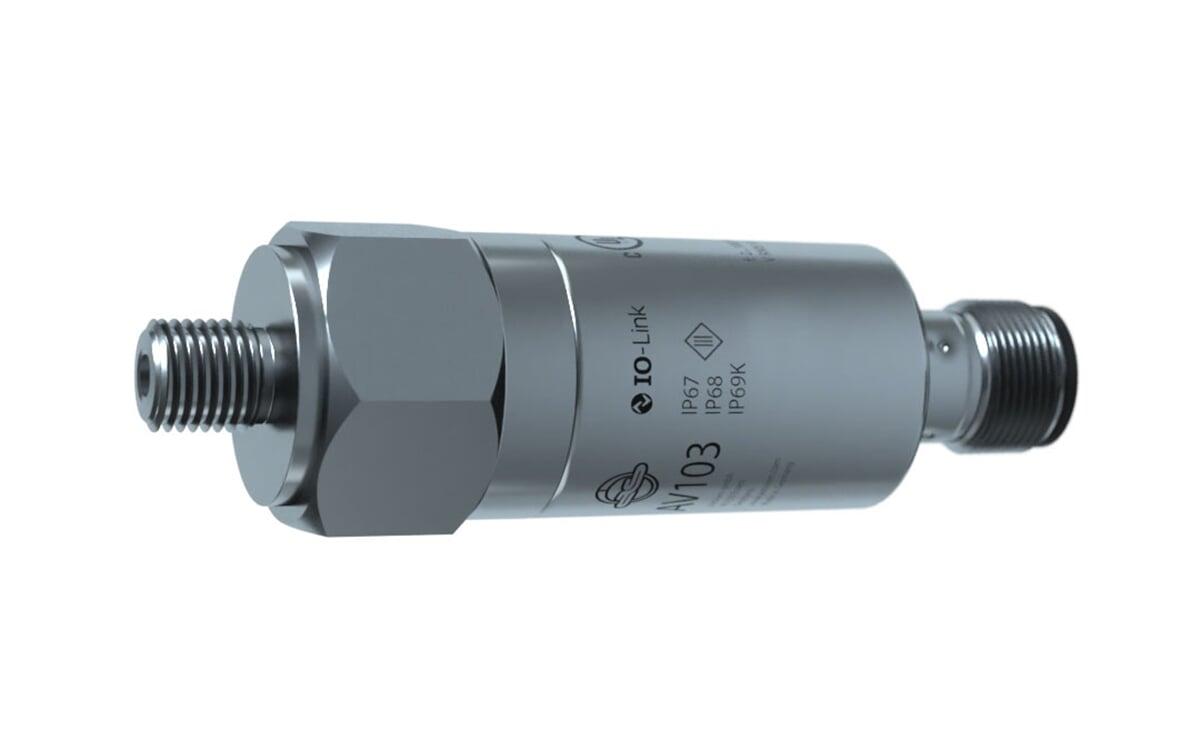
Vibration sensors are essential devices used to detect, measure, and analyze mechanical vibrations in equipment, structures, and systems. These sensors play a critical role in monitoring the health and performance of machines by identifying abnormal vibration patterns that may indicate wear, imbalance, misalignment, or potential failure. By converting mechanical motion into electrical signals, vibration sensors provide valuable data that helps industries maintain operational efficiency, enhance safety, and reduce unplanned downtime.
The working principle of vibration sensors is based on sensing changes in acceleration, velocity, or displacement caused by motion or oscillation. Common sensor technologies include piezoelectric, MEMS-based, capacitive, and strain gauge sensors. Piezoelectric vibration sensors are widely used due to their high sensitivity, wide frequency range, and durability in harsh environments. MEMS vibration sensors, on the other hand, are compact, cost-effective, and well suited for applications requiring low power consumption and integration with digital systems.
Vibration sensors are extensively used across industrial sectors such as manufacturing, energy, automotive, aerospace, and construction. In manufacturing plants, they are integrated into rotating machinery such as motors, pumps, compressors, and turbines to continuously monitor equipment condition. In the energy sector, vibration sensors support the reliable operation of wind turbines, power generators, and pipelines. Automotive applications include engine diagnostics, vehicle stability systems, and noise and vibration analysis to improve comfort and safety.
One of the most significant benefits of vibration sensors is their role in predictive maintenance strategies. Instead of relying on scheduled maintenance or reacting to equipment failures, organizations can use real-time vibration data to predict potential issues before they escalate. This proactive approach reduces maintenance costs, extends equipment lifespan, and minimizes production interruptions. Vibration analysis also supports compliance with safety and quality standards by ensuring machinery operates within acceptable limits.
Advancements in digital technologies have further enhanced the capabilities of vibration sensors. Integration with wireless communication, cloud platforms, and analytics software enables remote monitoring and data-driven decision-making. Smart vibration sensors equipped with embedded processing can perform edge analytics, reducing the need for continuous data transmission and improving response times. These innovations are particularly valuable in large-scale or remote industrial environments.
Despite their advantages, vibration sensors face challenges such as signal noise, installation complexity, and the need for skilled interpretation of data. Proper sensor placement and calibration are essential to ensure accurate readings. However, ongoing improvements in sensor design, signal processing, and user-friendly software are making vibration monitoring more accessible and reliable.
Vibration sensors are vital tools for modern industrial and engineering applications. By enabling early fault detection, improving operational reliability, and supporting predictive maintenance, they contribute significantly to cost savings and safety. As industries continue to adopt automation and smart monitoring solutions, vibration sensors will remain a cornerstone of condition monitoring and asset management strategies.


 Arabic
 French
 Spanish
 Portuguese
 Deutsch
 Turkish
 Dutch
Dutch
 Italiano
 Russian
 Romaian
 Greek
Greek